



From the Archives
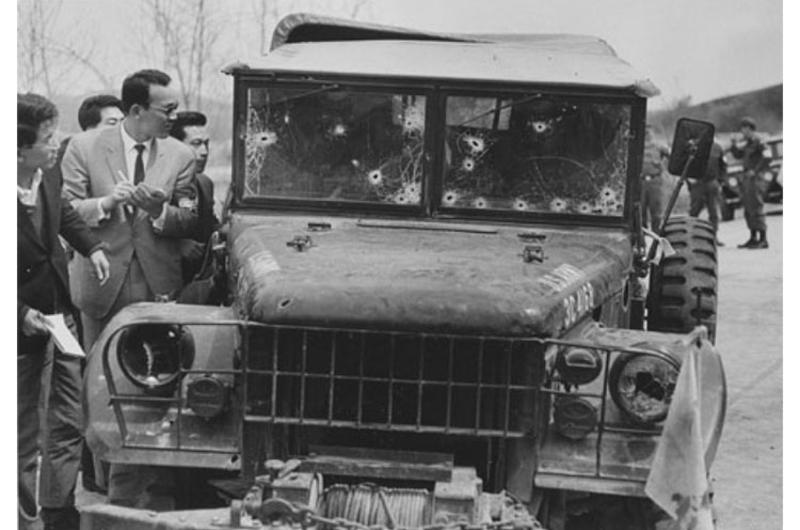
DMZ ambush survivors seen lucky to be alive
Observers at the scene of Sunday night's bold ambush by Communist North Koreans who machine-gunned and killed four United Nations Command soldiers reached one conclusion: "I don't see how anybody survived this."
Changes announced for some US civilian personnel in Japan
The United States and Japan announced new procedures Tuesday aimed at ending status of forces agreement protection for some civilian base workers, two months after an alleged homicide by a contractor touched off massive protests targeted at the American military on Okinawa.
Carter: Slowdown unlikely for Navy’s Japan-based fleet
The Navy’s operational tempo in the Asia-Pacific region isn’t likely to relax anytime soon as the threat from North Korea continues, Defense Secretary Ash Carter told sailors in Japan on Tuesday.
Policy mixes dream of nuclear-free world, reality of weapons spending
Amid the sculpted tributes and manicured grounds of the Hiroshima Memorial Peace Park, President Barack Obama made his appeal to humanity’s better instincts.
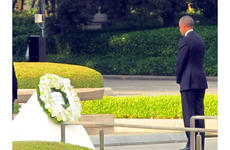
'We come to mourn the dead,' Obama declares at Hiroshima
President Barack Obama called on the world to pursue a long-term vision of a nuclear-free world Friday, as he became the first U.S. president ever to visit a Hiroshima memorial dedicated to those died in the world’s first wartime atomic bombing.
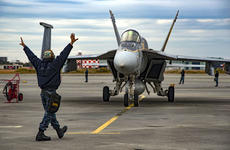
Court ruling reverses ban on Atsugi’s Japan Self Defense Forces night flights
The Japan Supreme Court on Thursday rejected a lower-court ruling banning Japan Self-Defense Forces nighttime flights out of Naval Air Facility Atsugi and reduced compensation for noise, while also allowing late U.S. military flights to continue.
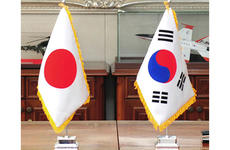
Gallup poll: South Koreans confident about US support, Japan uncertain
South Koreans are confident the American military would aid them in a conflict while the Japanese are far less certain, according to a Gallup poll released this week measuring confidence in U.S. intervention among Asian nations.